













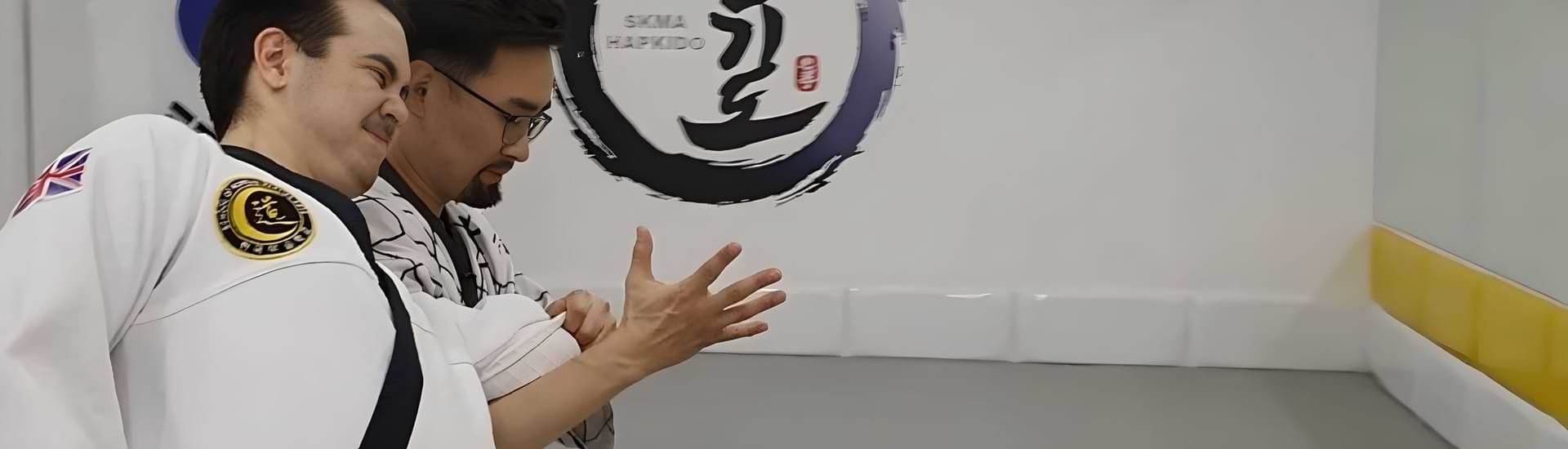
SENIOR YELLOW BELT SELF DEFENCE
Senior Yellow Belt
'A black belt is simply a senior yellow belt that did not give up.'
A significant aspect of this level is mastering various kicks, including the proper usage of kick pads and advancing to more advanced kicks. While these techniques may be relatively easy, they are essential for breaking your opponent's balance and gaining control over the situation.
Moreover, breakfalls are crucial in ensuring your safety during physical encounters.
Throughout your Senior Yellow Belt training, you will gain valuable knowledge and skills that can be applied in real-life scenarios. Remember to approach each technique with focus, precision, and a commitment to continuous improvement. Enjoy your journey as you strengthen your self defence abilities and prepare for the challenges ahead in Hapkido.
Senior Yellow Belt Course
Price £ 59.99
The Senior Yellow Belt Course is once again brought to you by Master Sung 7th Dan Hapkido, and it includes all the knowledge you need to prepare for certification to the green belt. Like all our courses, there are easy-to-follow and clear instructions from Master Sung, multi-angled videos, and close-ups of the fundamentals of Hapkido and the basics of self defence. This complete course for Senior Yellow Belt includes the cost of video certification by Master Sung, including the reward of a green belt for successful students. Only individuals who have completed all the sections in the course are eligible for the certification exam. You can, however, purchase one on one, video or in-person classes with Master Sung at his school, at home or online, and you can also buy any equipment that you may need from our online shop.
Introduction

Etiquette: Giving and Receiving
In martial arts, "giving and receiving" is vital for learning and growth. Giving involves sharing techniques and feedback with others, while receiving means being open to accepting knowledge and insights. This principle fosters a positive learning environment, promoting collective progress and enhancing individual skills.
Hapkido Principles: Water
The Theory of Water posits that all body movements should emulate the fluidity of water. In essence, this requires your techniques to be highly adaptable. Just as water in a river effortlessly carries a pebble with its current, navigates around boulders, or carves valleys through rock walls, your movements should similarly flow and adjust harmoniously to any situation. Embracing the fluidity of water allows you to be versatile and responsive, enhancing your overall effectiveness and skillfulness.
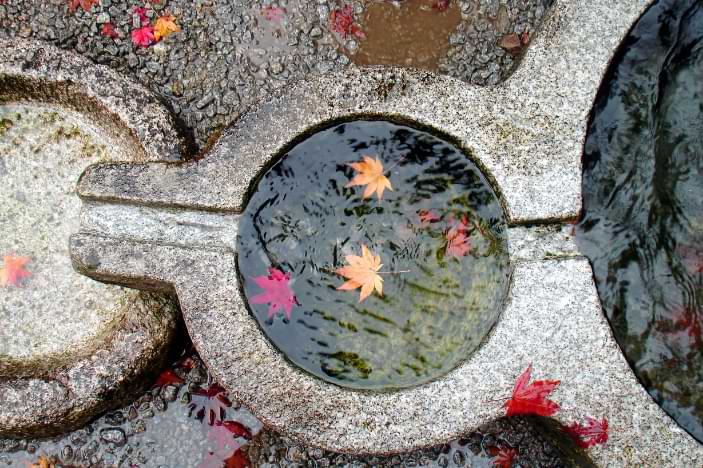
Hapkido Principles: Water
The Theory of Water posits that all body movements should emulate the fluidity of water. In essence, this requires your techniques to be highly adaptable. Just as water in a river effortlessly carries a pebble with its current, navigates around boulders, or carves valleys through rock walls, your movements should similarly flow and adjust harmoniously to any situation. Embracing the fluidity of water allows you to be versatile and responsive, enhancing your overall effectiveness and skillfulness.
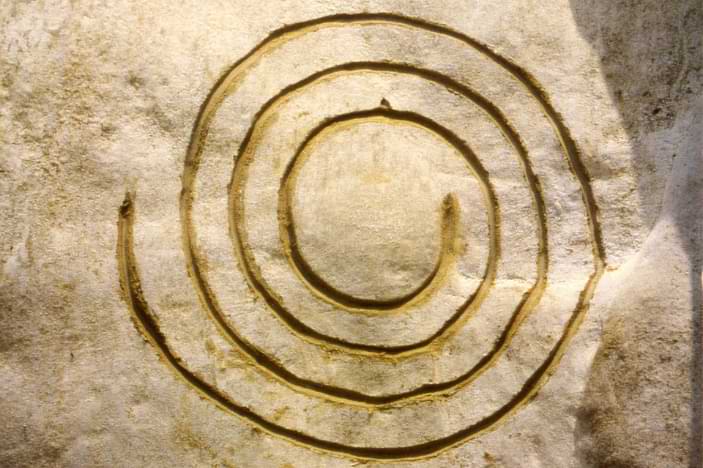
Hapkido Principles: Circle
According to the Theory of Circular Motion, the body should function as a dynamic centre of motion. Just like a spinning top, the body needs to be in a constant state of movement to sustain balance. However, if the spinning top comes to a halt, it loses its balance and topples over. This principle also applies to the human body. Continuous motion is vital to maintaining equilibrium, and any interruption in motion can disrupt the body's stability, leading to a loss of balance.
Warm Up
Warming up for Hapkido is as essential in the yellow belt as it is in any other belt. By now you should be familiar with this warm-up and can be confident that it will be the same right up to black belt. Warming up prevents injuries, improves performance, increases range of motion and flexibility and prepares you mentally for training. It also increases blood flow, raises body temperature, and loosens joints, reduces the risk of injuries. It optimises muscle performance, reaction time, and coordination. It helps mentally transition into training, improves concentration, and increases alertness. It enhances flexibility for techniques and reduces stress and anxiety. It is the first and the most important part of the training.
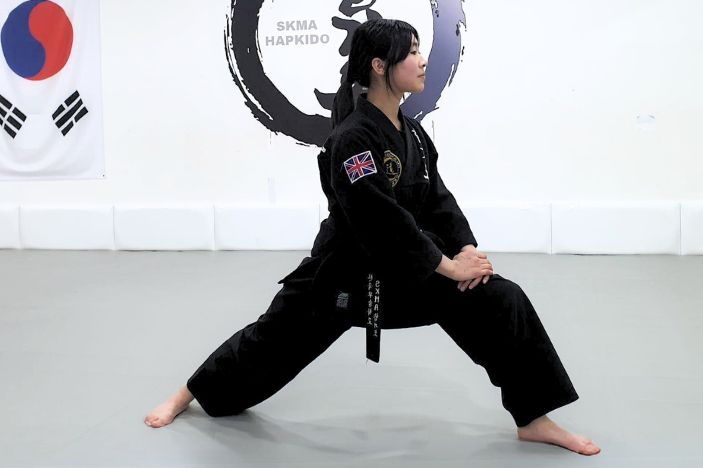
Warm Up
Warming up for Hapkido is as essential in the yellow belt as it is in any other belt. By now you should be familiar with this warm-up and can be confident that it will be the same right up to black belt. Warming up prevents injuries, improves performance, increases range of motion and flexibility and prepares you mentally for training. It also increases blood flow, raises body temperature, and loosens joints, reduces the risk of injuries. It optimises muscle performance, reaction time, and coordination. It helps mentally transition into training, improves concentration, and increases alertness. It enhances flexibility for techniques and reduces stress and anxiety. It is the first and the most important part of the training.
Senior Yellow Belt Self-Defence Techniques
Against Grabbing from behind
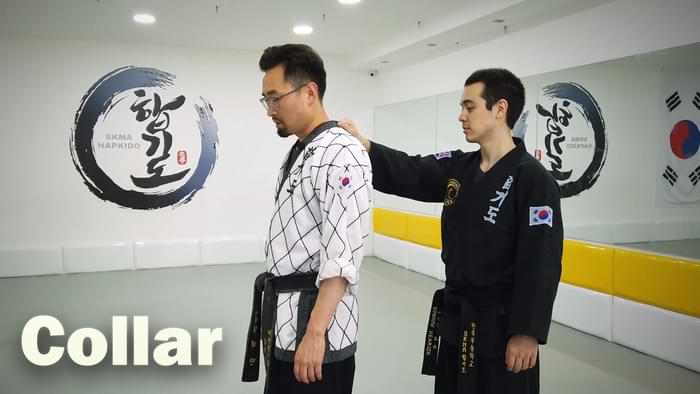
Collar Grab From Behind
When facing a situation where someone is touching your back or grabbing your collar from behind, it is important to have effective techniques at your disposal. The key is to turn and assess the situation. There are two distinct techniques to address this scenario, depending on which side you choose to turn. By acquiring proficiency in both the left-side and right-side techniques, you will be well equipped to handle situations where you are grabbed or touched from behind.
Shoulder Grab From Behind
When someone grabs your shoulders from behind, there are various possibilities to consider. It could involve one person grabbing a single shoulder or a single person grabbing both shoulders. To effectively respond, you need to execute a partial turn while ensuring one foot steps back. You can effectively control your opponent's movement by applying a wrist lock. Additionally, you will utilise your elbow to push into their belly, destabilising their balance. Remember to adapt your response based on the specific situation, whether it involves grabbing one or both shoulders. By combining awareness, proper footwork, and effective technique execution, you can effectively neutralise and overcome this challenging situation.
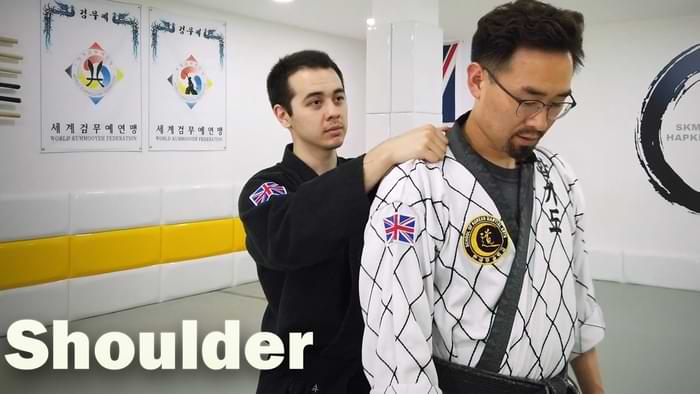
Shoulder Grab From Behind
When someone grabs your shoulders from behind, there are various possibilities to consider. It could involve one person grabbing a single shoulder or a single person grabbing both shoulders. To effectively respond, you need to execute a partial turn while ensuring one foot steps back. You can effectively control your opponent's movement by applying a wrist lock. Additionally, you will utilise your elbow to push into their belly, destabilising their balance. Remember to adapt your response based on the specific situation, whether it involves grabbing one or both shoulders. By combining awareness, proper footwork, and effective technique execution, you can effectively neutralise and overcome this challenging situation.
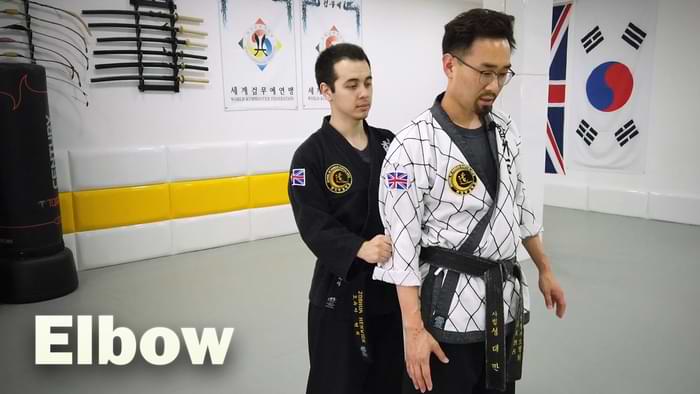
Elbow Grab From Behind
When confronted with an elbow grab attack from behind, it can be a disorienting and panic-inducing situation. Suppose both elbow parts of your clothes are tightly held and pulled. In that case, it becomes challenging to think clearly and determine the appropriate course of action—an effective technique known as the Aeroplane Technique can help you escape from this hold relatively easily. The Aeroplane Technique involves a specific movement that allows you to break free from the grab. Visualise yourself as an aeroplane with your arms representing the wings. With a swift and decisive motion, you will lift your arms upward and outward, imitating the movement of an aeroplane taking off. Remember to remain calm, confident and utilise the element of surprise to regain control of the situation.
Hands Held Behind
As your hands are forced behind your body, moving or defending yourself may seem impossible. However, there is a technique that can help you break free from this hold and regain control of the situation. To escape, stay calm and composed, maintaining awareness of your surroundings. In this video, Master Sung will show you how to apply the techniques from behind and maintain control by applying pressure as needed to neutralise the threat and create an opportunity for further defensive actions or escape.
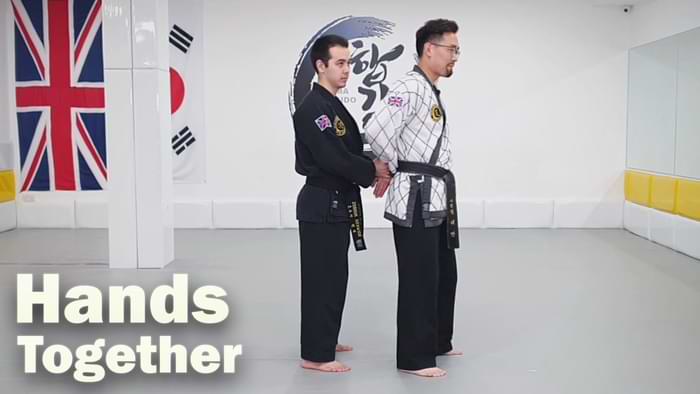
Hands Held Behind
As your hands are forced behind your body, moving or defending yourself may seem impossible. However, there is a technique that can help you break free from this hold and regain control of the situation. To escape, stay calm and composed, maintaining awareness of your surroundings. In this video, Master Sung will show you how to apply the techniques from behind and maintain control by applying pressure as needed to neutralise the threat and create an opportunity for further defensive actions or escape.
Both Wrists Grabbed
Arms Up, Roll and Push
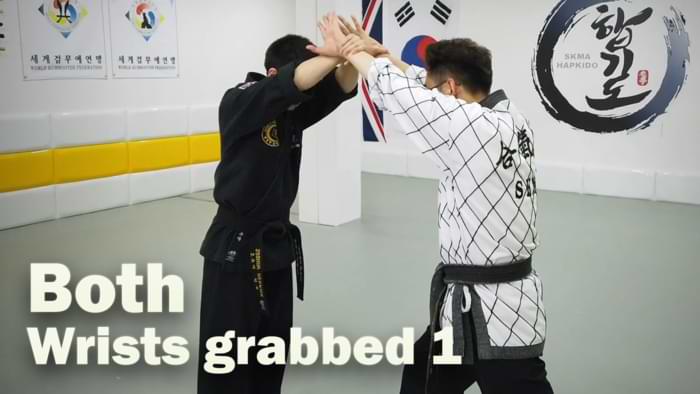
When an opponent grabs both of your wrists from the front, it signifies their superior strength and their attempt to control your arms. The Arms Up technique provides a practical and efficient way to break free from a stronger opponent's grip. Bring your hands together, positioning your opponent's back of the hands (dorsum) against each other. Employ a sudden and forceful movement, pushing and shocking their hands against each other. Remember, the key is to utilise timing and a burst of energy to catch your opponent off guard and regain control of the situation.
Cradle and Knee Pull
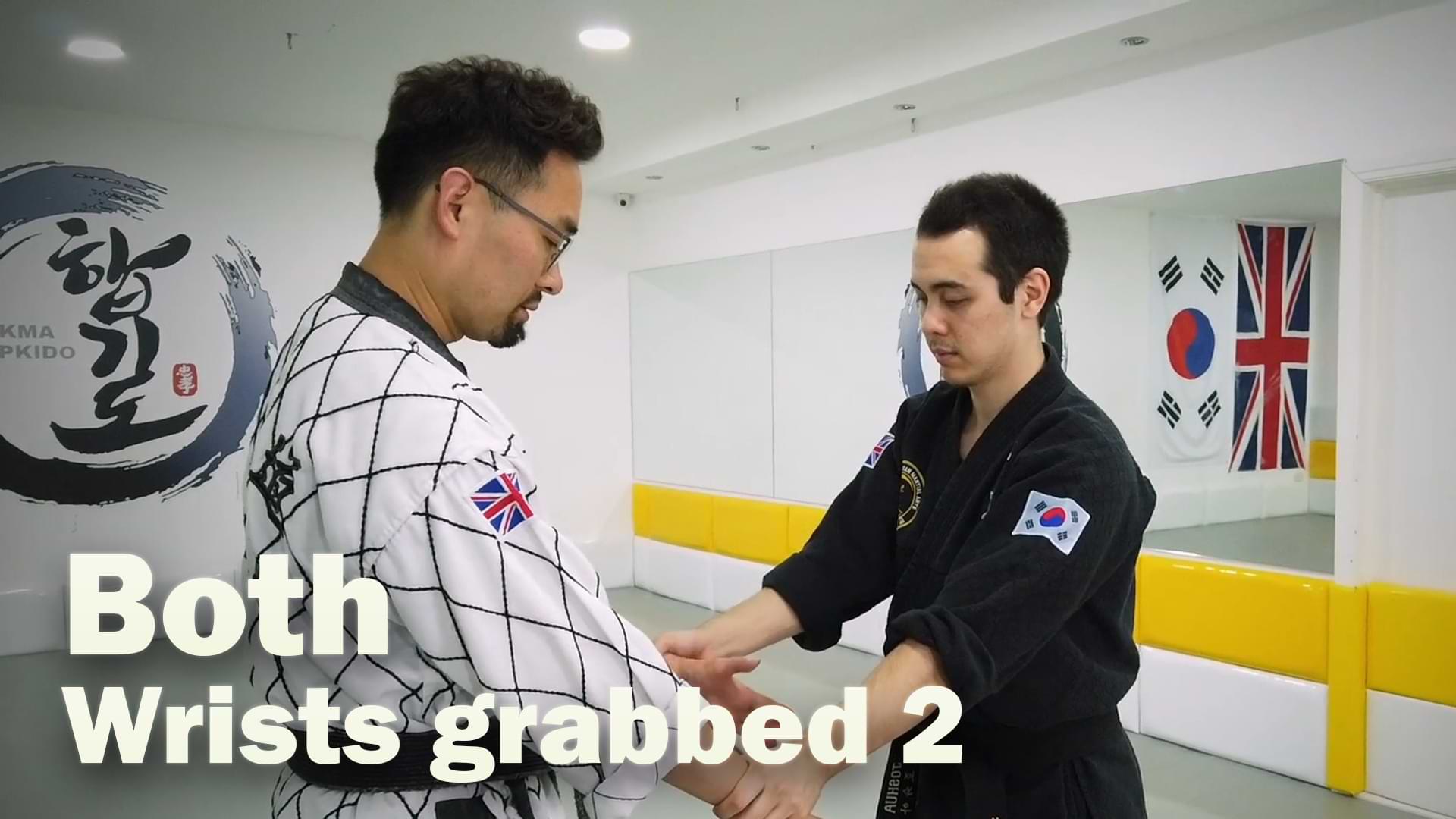
In this video, we will cover two techniques to address a situation where both of your wrists are grabbed from the front. The first technique is called the Cradle, which you may already be familiar with from your earlier training at the white belt level. The second technique is known as the Pull Knee. When someone grabs both of your wrists from the front, it's natural to feel a sense of panic. However, you can effectively execute the Cradle technique by focusing on one side at a time. This technique allows you to create an opening and regain control of the situation. Next, we will demonstrate the Pull Knee technique. This technique teaches you how to grab your opponent's wrist and pull, creating a twisting motion. Doing so can direct your knee towards your opponent's chest or face, providing an effective means of defence. Remember, mastering these techniques requires practice and precision.
Cradle and Knee Pull
In this video, we will cover two techniques to address a situation where both of your wrists are grabbed from the front. The first technique is called the Cradle, which you may already be familiar with from your earlier training at the white belt level. The second technique is known as the Pull Knee. When someone grabs both of your wrists from the front, it's natural to feel a sense of panic. However, you can effectively execute the Cradle technique by focusing on one side at a time. This technique allows you to create an opening and regain control of the situation. Next, we will demonstrate the Pull Knee technique. This technique teaches you how to grab your opponent's wrist and pull, creating a twisting motion. Doing so can direct your knee towards your opponent's chest or face, providing an effective means of defence. Remember, mastering these techniques requires practice and precision.
Lift Arm Throw and Z Lock
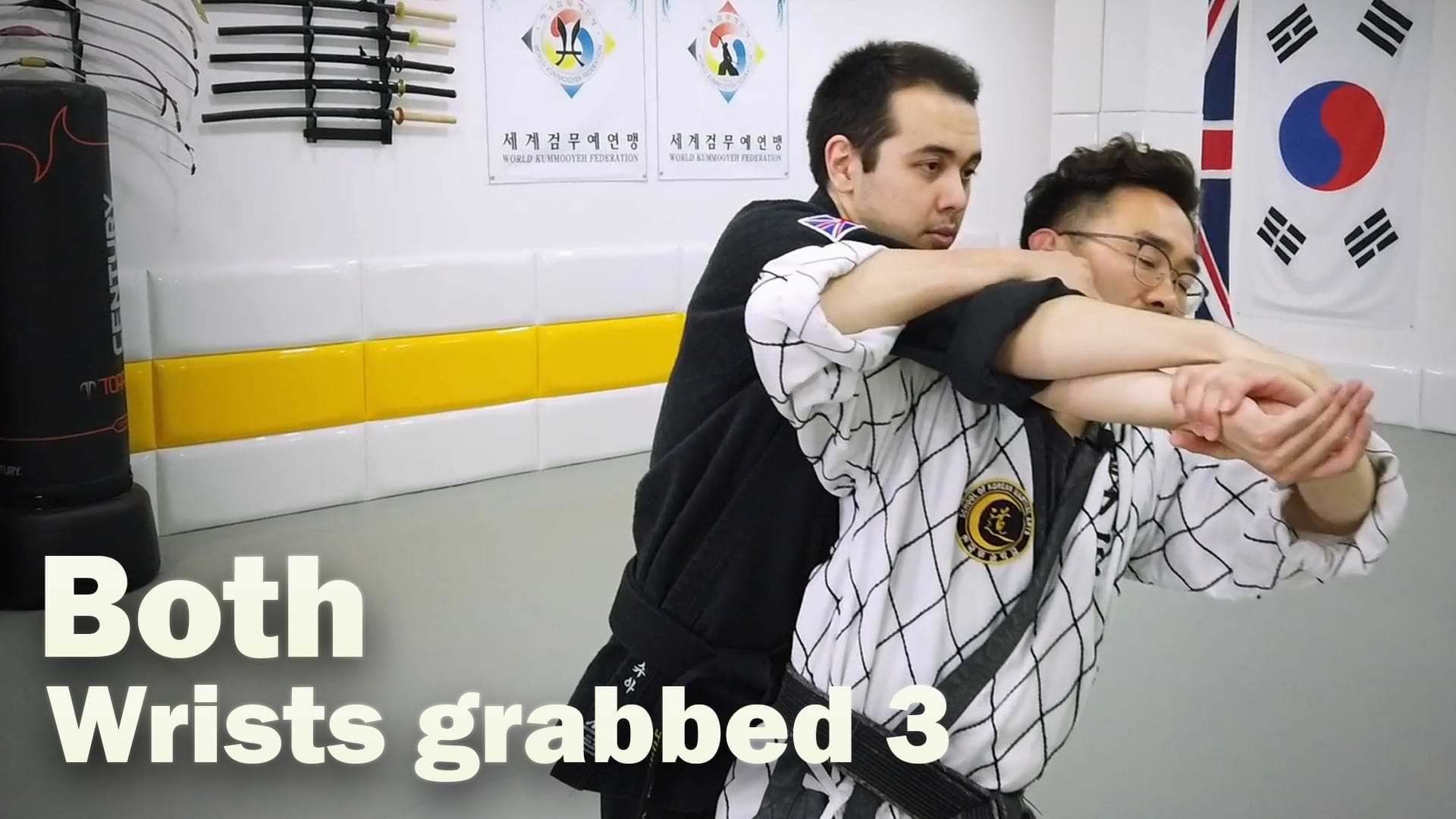
In this video, we will explore two techniques to address the situation where both of your wrists are grabbed. The first technique is called Lift Arms Throw, and the second technique is the Z Lock. In the Lift Arms Throw technique, you will use both arms to lift and control your opponent's arms. By exerting force and using proper leverage, you can execute a throw, effectively neutralising the threat posed by your opponent. The second technique, the Z Lock, involves positioning your hands outside of your opponent's arms. You aim to create a Z shape by pushing forward and applying pressure, restricting your opponent's movement and weakening their grip. It is important to exercise caution when practising the Lift Arms Throw technique, as it can be potentially dangerous for your partner.
One Wrist Grabbed By Two Hands
Fist lift up and Knife
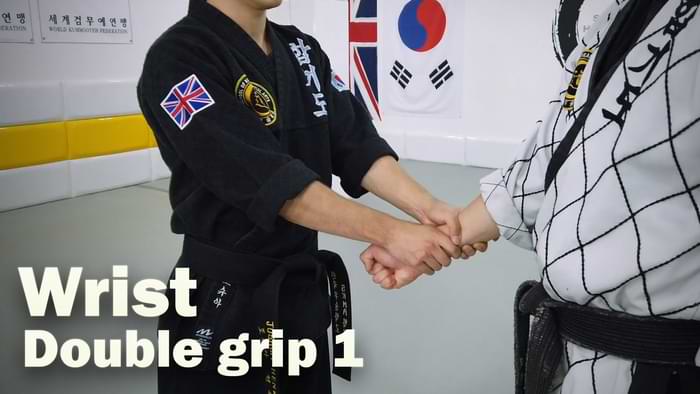
Master Sung will demonstrate two simple yet effective techniques to address a situation where someone is holding one of your wrists with both of their hands. The first technique is called Fist Lift Up. To perform this technique, bring your hands together, placing one hand over the other. With the combined strength of both arms, lift your captured wrist upward, creating a momentary opening and weakening your opponent's grip. The second technique is the Knife technique. Concentrating on a single point of attack can effectively counter your opponent's hold and create an opportunity for escape or further defensive actions.
Fist lift up and Knife
Master Sung will demonstrate two simple yet effective techniques to address a situation where someone is holding one of your wrists with both of their hands. The first technique is called Fist Lift Up. To perform this technique, bring your hands together, placing one hand over the other. With the combined strength of both arms, lift your captured wrist upward, creating a momentary opening and weakening your opponent's grip. The second technique is the Knife technique. Concentrating on a single point of attack can effectively counter your opponent's hold and create an opportunity for escape or further defensive actions.
Cradle and Outside Turn
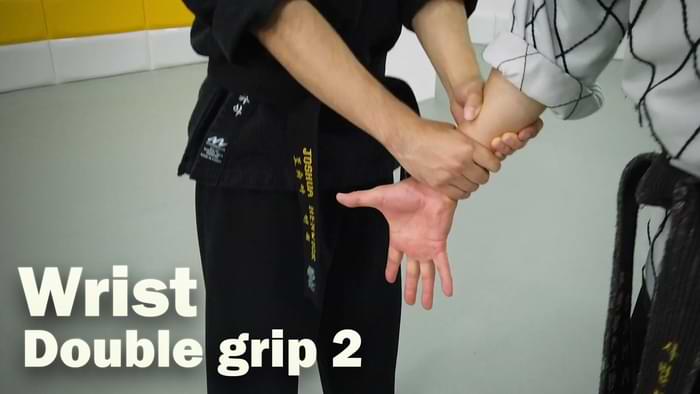
In this video, we will revisit two familiar techniques, namely the Cradle and Outside Turn, which were introduced during the Yellow Belt Junior level as cross-arm techniques. To perform the Cradle technique, start by lowering your hands and then swiftly bring them upward, controlling your opponent's wrist and cradling your opponent's wrist. Remember to focus on one side of your opponent's arm, just as you would in the basic technique. Similarly, the Outside Turn technique is analogous to the cross-arm technique. Apply pressure to the pressure points and ensure close proximity to your opponent. Avoid lifting your opponent's arms too high, as this may compromise your control over the situation.
Z Lock and Wrist Lock
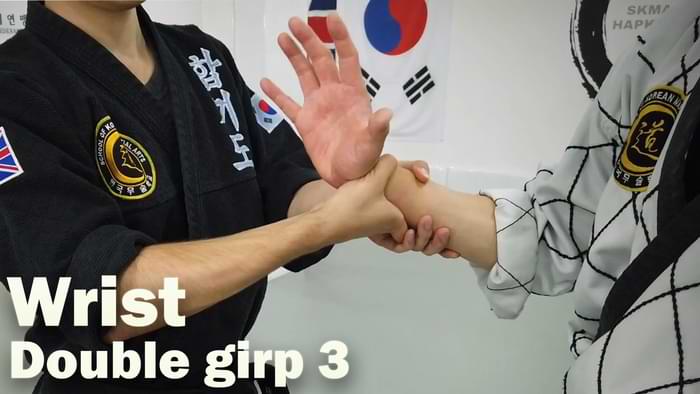
The Z Lock technique is similar to the same side wrist grab technique, commonly known as the Handbag technique. Applying the Z Lock can immobilise your opponent's grip, creating an advantageous position for yourself. Focus on executing the Z Lock with precision and control. The Wrist Lock technique is comparable to the Cross Arm technique. You can effectively execute the Wrist Lock by concentrating on the wrist being held and disregarding the other side. This technique allows you to control and manipulate your opponent's wrist, creating opportunities for escape or further defensive actions. Remember to practice these techniques while maintaining a strong focus on safety.
Z Lock and Wrist Lock
The Z Lock technique is similar to the same side wrist grab technique, commonly known as the Handbag technique. Applying the Z Lock can immobilise your opponent's grip, creating an advantageous position for yourself. Focus on executing the Z Lock with precision and control. The Wrist Lock technique is comparable to the Cross Arm technique. You can effectively execute the Wrist Lock by concentrating on the wrist being held and disregarding the other side. This technique allows you to control and manipulate your opponent's wrist, creating opportunities for escape or further defensive actions. Remember to practice these techniques while maintaining a strong focus on safety.
Hapkido Kicks
Combination Kicks
Continuous Turning Kick
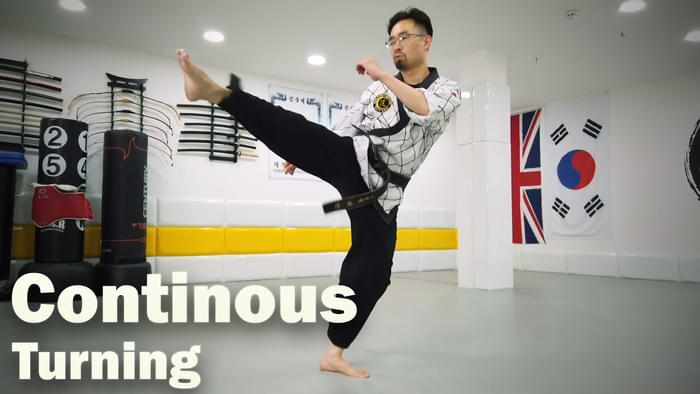
In this video, we will focus on the Continuous Turning Kick, which involves executing a series of quick, consecutive kicks. By performing this kick repeatedly, you will enhance your speed and agility. We typically aim for around ten continuous kicks on each side during class. This repetition helps you develop muscle memory and precisely execute the technique. This training method will significantly improve the speed of your Turning Kicks. Focus on executing each kick with precision and speed, gradually increasing your proficiency over time.
Front, Turning and Reverse Hook Kick
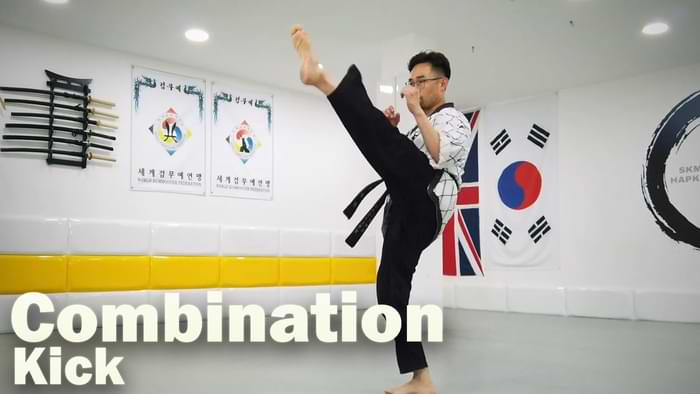
This video will focus on a dynamic combination of kicks: the Front Kick, Turning Kick, and Reverse Hook Kick. These kicks are designed to be executed while stepping forward, allowing you to pursue your opponent in a face-to-face confrontation effectively. Imagine engaging in a fight where your opponent is continuously retreating. The Front Kick delivers a powerful strike to the target, followed by the Turning Kick, allowing you to swiftly rotate and strike precisely. Finally, the Reverse Hook Kick provides a unique angle of attack, ensuring your kicks are aimed towards your opponent's face.
Front, Turning and Reverse Hook Kick
This video will focus on a dynamic combination of kicks: the Front Kick, Turning Kick, and Reverse Hook Kick. These kicks are designed to be executed while stepping forward, allowing you to pursue your opponent in a face-to-face confrontation effectively. Imagine engaging in a fight where your opponent is continuously retreating. The Front Kick delivers a powerful strike to the target, followed by the Turning Kick, allowing you to swiftly rotate and strike precisely. Finally, the Reverse Hook Kick provides a unique angle of attack, ensuring your kicks are aimed towards your opponent's face.
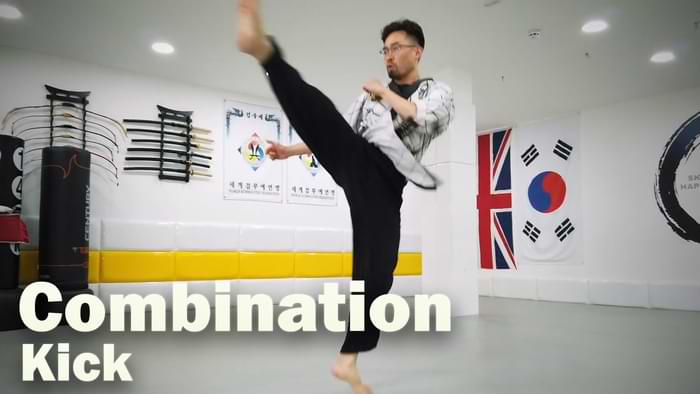
Turning, 360 and Reverse Hook Kick
This video will focus on a vital combination of kicks: the Turning Kick, 360 Turning Kick, and Reverse Hook Kick. Mastering this combination is crucial, as it is essential to your examination and grading in Hapkido. The first kick in the sequence is the Turning Kick, a fundamental technique that targets your opponent's midsection. Next, we move on to the 360 Turning Kick, a more advanced kick where you perform a full revolution, covering 360 degrees. Focus on maintaining control and balance as you execute the jump and deliver the kick. Finally, we conclude with the Reverse Hook Kick. This kick targets the higher region, aiming at your opponent's head or upper body.
Twisting, Turning and Back Kick
This combination kick sequence will focus on the Twisting Kick, Turning Kick, and Back Kick. It's important to note that you will be stepping forward for each kick, maintaining a consistent and forward-moving momentum. As you perform this combination, visualise yourself engaging with an opponent, steadily advancing towards them. The Twisting Kick will be aimed towards the face, followed by the Turning Kick, which also targets the face. Finally, the Back Kick will be directed towards the chest or belly region. To execute this combination effectively, imagine a left-right-left pattern for the kicks. Begin with the left leg, performing the Twisting Kick, followed by the right leg executing the Turning Kick. Complete the combination with the left leg delivering the Back Kick. Focus on stepping forward with each kick, creating fluidity and power in your movements.
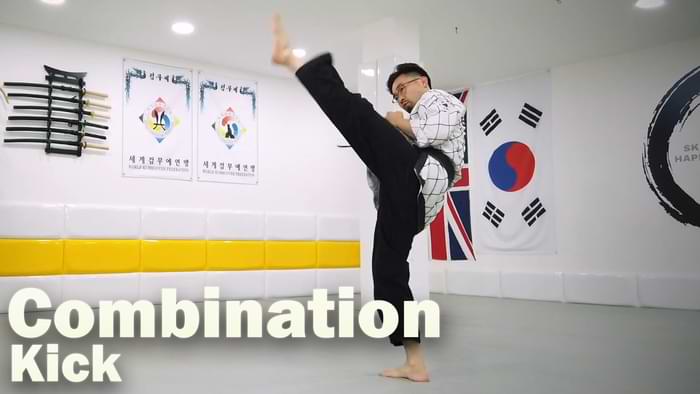
Twisting, Turning and Back Kick
This combination kick sequence will focus on the Twisting Kick, Turning Kick, and Back Kick. It's important to note that you will be stepping forward for each kick, maintaining a consistent and forward-moving momentum. As you perform this combination, visualise yourself engaging with an opponent, steadily advancing towards them. The Twisting Kick will be aimed towards the face, followed by the Turning Kick, which also targets the face. Finally, the Back Kick will be directed towards the chest or belly region. To execute this combination effectively, imagine a left-right-left pattern for the kicks. Begin with the left leg, performing the Twisting Kick, followed by the right leg executing the Turning Kick. Complete the combination with the left leg delivering the Back Kick. Focus on stepping forward with each kick, creating fluidity and power in your movements.
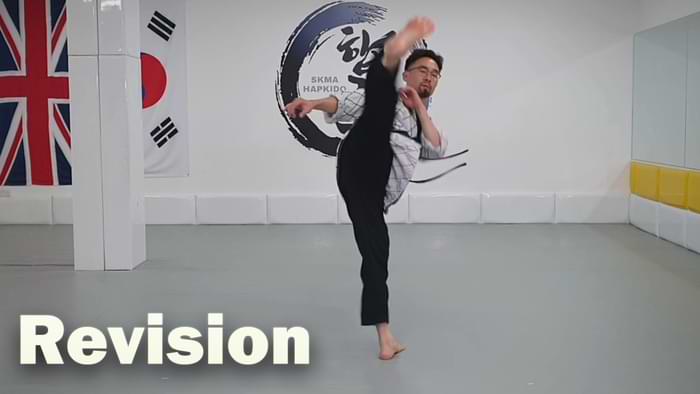
Hapkido Kicks Revision
This video has compiled all the kicks necessary for your examination, providing you with a comprehensive review. It is important to note that these revision videos should be watched after completing the section details. Watching them only after completing the previous kicks lessons may cause you to overlook important finer details and close-ups essential for correctly understanding the techniques. Additionally, this video can be incorporated into your regular cardio exercise routine. Following along and practising the kicks can improve your cardiovascular fitness while honing your martial arts skills. Remember to approach these revision videos with a focused mindset and attention to detail, as they are designed to enhance your understanding and proficiency. Use this resource effectively to maximise the benefits of your training and examination preparation.
Breakfalls
Breakfall Revision
This video will focus on revisiting and refining the breakfall techniques you learned in White Belt and Junior Yellow Belt Courses. As you progress to Senior Yellow Belt, it is crucial to polish and practice these breakfalls consistently. By now, you should be familiar with all the fundamental breakfalls. However, the aim at this stage is to develop muscle memory. The execution of breakfalls should become instinctual, without the need for conscious thinking. Your body should react automatically to protect itself when faced with the need to break a fall. Over time, you will achieve a level of proficiency where breakfalls become second nature.
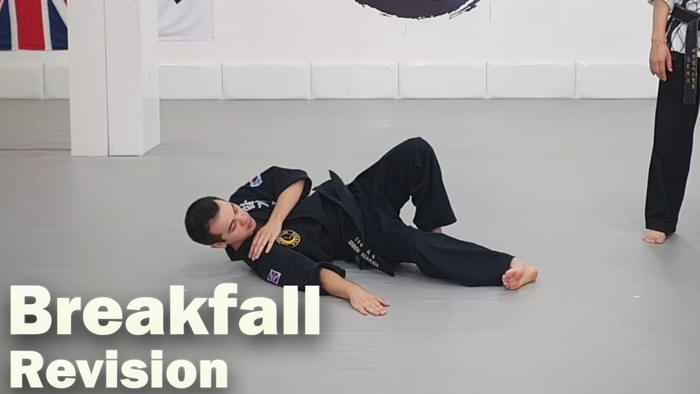
Breakfall Revision
This video will focus on revisiting and refining the breakfall techniques you learned in White Belt and Junior Yellow Belt Courses. As you progress to Senior Yellow Belt, it is crucial to polish and practice these breakfalls consistently. By now, you should be familiar with all the fundamental breakfalls. However, the aim at this stage is to develop muscle memory. The execution of breakfalls should become instinctual, without the need for conscious thinking. Your body should react automatically to protect itself when faced with the need to break a fall. Over time, you will achieve a level of proficiency where breakfalls become second nature.
Exam Preparation
Senior Yellow Belt Exam Preparation
This last video in the SeniorYellow Belt course is a revision and preparation for the video examination you will submit. Combining everything we have learnt into a short video that Master Sung will review to ensure you have made the necessary progress to safely move to a Senior Yellow Belt course and continue improving your confidence through Hapkido-based self-defence. You've made it so far, and you only have a little way to go. We wish you all the best on your exam. You got this!